Functional Beverage Glossary: Adaptogens, Nootropics, Kanna
When I started looking for drinks to replace my THC seltzers, I had to look up about half the words on the cans. Kanna? Blue lotus? I've been making cocktail videos for 5 years and I'd never heard of either one.
So this is the list I wish I'd had. Every word here is on the label of a drink I've been looking at, and for each one I've put what it is, where it comes from, which drinks have it, and anything you should know before you drink it. Every entry with a health note lists its source and the date I last checked it. Which drinks have what comes from each brand's own label.
I make cocktail videos. I'm not a doctor. I'm not telling you any of these work. And if you take any medication, or you're pregnant or nursing, ask your doctor or pharmacist before you try these, because a lot of them aren't meant to be mixed.
This page contains affiliate links. If you buy through them, Cocktail Underground may earn a commission at no extra cost to you.
Adaptogen
A plant or mushroom that's supposed to help your body handle stress. Ashwagandha, rhodiola, holy basil and reishi all get called adaptogens. It's a marketing and herbal medicine word, not a medical one: mainstream science doesn't recognize it as a category, and it isn't an approved claim in the US or the EU. When a can says "adaptogens," it's telling you what kind of ingredients are in it, not that they've been shown to do something.
Ashwagandha
A shrub (Withania somnifera) from India, Africa and the Middle East. It's been used in Ayurveda for thousands of years.
- Why it's in drinks
Stress and sleep. It's the adaptogen you'll see most.
- Drinks with it
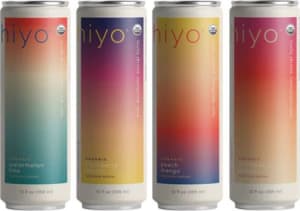
Hiyo, Curious Elixirs No. 7.
- Good to know
It can make you drowsy and it can upset your stomach. The NIH says to skip it if you're pregnant or nursing, and that it can interact with thyroid medication, sedatives, and drugs for diabetes and blood pressure. There have been rare reports of liver injury.
Last reviewed 2026-11-26. Source: NIH (NCCIH)
Ayurveda
India's traditional system of medicine, and one of the oldest in the world. It uses plants, and sometimes minerals, along with diet and daily routine. A lot of the ingredients on this list come out of it, like ashwagandha, holy basil and shatavari. When a brand calls an ingredient Ayurvedic, it's telling you where the idea came from. It's not telling you studies have shown it works, and the NIH says there isn't much good research on most of it yet.
Last reviewed 2026-11-26. Source: NIH (NCCIH)
Blue lotus
A water lily (Nymphaea caerulea) from the Nile and East Africa. It's the flower painted all over ancient Egyptian tombs, and it's not related to the lotus you see in Asian food.
- Why it's in drinks
It's sold for calm and a mild, dreamy feeling. The compounds that get the credit are two alkaloids, nuciferine and apomorphine.
- Drinks with it
- Is it legal?
It's not a federally controlled substance, and it's legal to sell in almost every state. Louisiana is the exception: a 2005 state law (Act 159) bans a list of plants for human consumption, and blue lotus is on it. The other big exception is the military. It's on the Department of Defense's prohibited list, so if you serve, you can't have it, including in a drink.
- Good to know
How much is in a product varies a lot, and most of what's known about people getting sick from it comes from vaping or concentrated extracts, not a canned drink. It doesn't show up on a standard drug test. I'd still treat it like anything else that's sold to change how you feel: start with one, and don't stack it with alcohol or sleep aids.
Last reviewed 2026-11-27. Source: Operation Supplement Safety (Department of Defense)
Cordyceps
A fungus. The kind in drinks and supplements is farmed, not the wild one that grows on insects.
- Why it's in drinks
Energy and stamina.
- Drinks with it
- Good to know
Memorial Sloan Kettering says no major side effects have been reported, but it may add to blood thinners and to diabetes medication that lowers blood sugar.
Last reviewed 2026-11-26. Source: Memorial Sloan Kettering
Damiana
A shrub (Turnera diffusa) from Texas, Mexico and Central America. If you've had the Mexican liqueur in the bottle shaped like a woman, that's damiana, and some people say it was in the first margarita.
- Why it's in drinks
It's a traditional relaxing herb, usually as a tea.
- Drinks with it
Curious Elixirs No. 2.
- Good to know
Nobody has pinned down which part of the plant does what.
Last reviewed 2026-11-27. Source: WebMD
Functional beverage
A drink that's sold for what it does, not only how it tastes. That covers everything from an energy drink to a mushroom seltzer. On this site I mean the ones sold as something to have when you'd normally have a cocktail or a THC drink. It's an industry word. Nobody at a bar says it.
Functional mushrooms
Mushrooms used for something other than eating or tripping. Lion's mane, reishi and cordyceps are the big three. None of them are psychedelic. If a label says "magical mushrooms" (one of the Curious Elixirs does), it means these, not psilocybin.
Ginseng (American)
A root (Panax quinquefolius) that grows wild in the eastern US. It's a cousin of Asian ginseng, not the same plant.
- Why it's in drinks
Energy and focus.
- Drinks with it
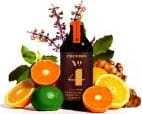
Curious Elixirs No. 4.
- Good to know
It can interfere with blood thinners like warfarin, and it may lower blood sugar, so it's one to ask about if you take either kind of medication.
Last reviewed 2026-11-26. Source: Memorial Sloan Kettering
Holy basil
Tulsi, a basil from India that's used more as a tea and in Ayurveda than in cooking. It's not the basil in your Caprese.
- Why it's in drinks
Stress. It's another one that gets called an adaptogen.
- Drinks with it
Curious Elixirs No. 4.
- Good to know
The Merck Manual says it looks safe for most people for up to eight weeks and hasn't been studied longer than that. It says to avoid it if you're trying to get pregnant, and that it may make thyroid medication work less well.
Last reviewed 2026-11-26. Source: Merck Manual
Kanna
A small succulent (Sceletium tortuosum) from South Africa.
- Why it's in drinks
Mood. Of everything on this list, it's the one sold most directly as something you'll feel. The main active compound is called mesembrine.
- Drinks with it
- Is it legal?
It's not a federally controlled substance. Louisiana is the exception again: the same 2005 law that covers blue lotus covers kanna's plant family.
- Good to know
Kanna acts on serotonin, the same system most antidepressants work on, and the standard warning is not to combine it with SSRIs, MAOIs or anything else that raises serotonin. If you take an antidepressant or anything else for mood, check with your doctor before you try it. There isn't much research on it in people, and WebMD says its benefits aren't well defined.
Last reviewed 2026-11-27. Source: WebMD
Kava
The root of a pepper plant (Piper methysticum) from the South Pacific, where it's been a ceremonial drink for thousands of years. Traditionally it's ground and mixed with water, and it tastes like dirt and makes your mouth go numb.
- Why it's in drinks
Relaxation. It's the one people tell me is closest to a THC drink.
- Drinks with it
Leilo, Kava Haven (a kava spirit for mixing).
- Good to know
Don't mix it with alcohol or sedatives, and don't drive on it until you know what it does to you. The NIH says it's been linked to rare cases of serious liver injury. This is not kratom, which is a different plant that I'm not covering.
Last reviewed 2026-11-26. Source: NIH (NCCIH)
L-theanine
An amino acid found in tea leaves. It's part of why green tea feels different from coffee.
- Why it's in drinks
Calm without sleepiness. On a label it sometimes shows up as "green tea extract."
- Drinks with it
Hiyo, Recess.
- Good to know
Most cans don't say how much they have. WebMD says to ask your doctor first if you take anything for sleep.
Last reviewed 2026-11-27. Source: WebMD
Lemon balm
An herb in the mint family that smells like lemon. It grows like a weed. You may have it in your yard.
- Why it's in drinks
Calm and sleep. It's been a bedtime tea for a long time.
- Drinks with it
Hiyo, Curious Elixirs No. 6, Recess.
- Good to know
Mount Sinai says it may interact with sedatives and with thyroid medication, and that pregnant and nursing women shouldn't take it.
Last reviewed 2026-11-26. Source: Mount Sinai
Lion's mane
A white, shaggy mushroom that looks like a pom-pom. You can cook and eat it, and it's good.
- Why it's in drinks
Focus and memory. It's the mushroom on the front of a lot of cans.
- Good to know
It's generally considered safe as a food. Memorial Sloan Kettering lists stomach upset and skin rash as the side effects that have come up. Look at where it falls in the ingredient list. On the Hiyo can it's last.
Last reviewed 2026-11-26. Source: Memorial Sloan Kettering
Maca
A root vegetable from the Andes in Peru, related to radishes.
- Why it's in drinks
Energy.
- Good to know
Memorial Sloan Kettering says it may not be safe if you're pregnant or nursing, and that people with a hormone-sensitive cancer should ask their doctor first.
Last reviewed 2026-11-26. Source: Memorial Sloan Kettering
Magnesium
A mineral, the same one in the supplement aisle.
- Why it's in drinks
Relaxation and sleep.
- Drinks with it
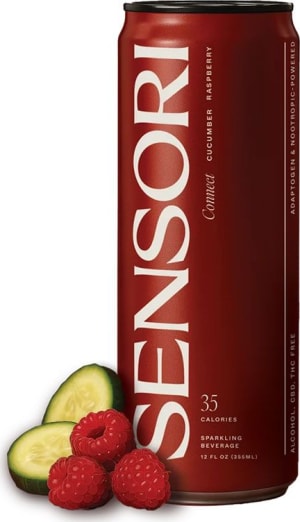
Sensori, Recess Mood.
- Good to know
Too much from supplements can cause diarrhea, nausea and cramps, and the NIH says it can keep some antibiotics and osteoporosis drugs from absorbing if you take them close together.
Last reviewed 2026-11-26. Source: NIH Office of Dietary Supplements
Nootropic
Something that's supposed to help your brain: focus, memory, alertness. Caffeine is the one everybody already uses. L-theanine and lion's mane are the two you'll see on cans. There's no agreed medical definition for this one either.
Passion flower
A climbing vine (Passiflora incarnata) that's native to the southeastern US, also called maypop. It's the plant, not the passion fruit you'd put in a Hurricane.
- Why it's in drinks
Calm and sleep.
- Drinks with it
Hiyo.
- Good to know
It can make you drowsy or dizzy. The NIH says not to use it if you're pregnant, and to stop two weeks before surgery.
Last reviewed 2026-11-26. Source: NIH (NCCIH)
Reishi
A hard, shiny, reddish mushroom that grows on trees. Too woody to eat, so it's always an extract or a powder.
- Why it's in drinks
Stress and sleep.
- Drinks with it
- Good to know
Memorial Sloan Kettering lists nausea and trouble sleeping as side effects, plus rare reports of liver injury with the powdered form. It can raise bleeding risk with blood thinners, and it's one to ask about if you take immune-suppressing medication.
Last reviewed 2026-11-26. Source: Memorial Sloan Kettering
Rhodiola
A plant (Rhodiola rosea) that grows in cold places and high altitudes. It's been used for a long time in Russia and Scandinavia.
- Why it's in drinks
Energy and mood.
- Drinks with it
Curious Elixirs No. 1.
- Good to know
The NIH says there isn't enough good evidence that it works for anything. It can cause dizziness and trouble sleeping.
Last reviewed 2026-11-26. Source: NIH (NCCIH)
Shatavari
The root of a kind of wild asparagus from India, used in Ayurveda.
- Why it's in drinks
It gets called an adaptogen.
- Drinks with it
Curious Elixirs No. 5.
- Good to know
WebMD says to skip it if you're pregnant, if you're allergic to asparagus, or if you have an estrogen-sensitive condition, because it has plant estrogens in it.
Last reviewed 2026-11-27. Source: WebMD
One thing almost every can has in common
Most of these drinks list a total for their blend and not how much of each ingredient you're getting. So two cans can both say "lion's mane" on the front and have very different amounts inside. I don't think that makes them bad, but it does mean you can't compare them by the label. You have to try them.