Mai Tai Recipe
Mai Tai Ingredients
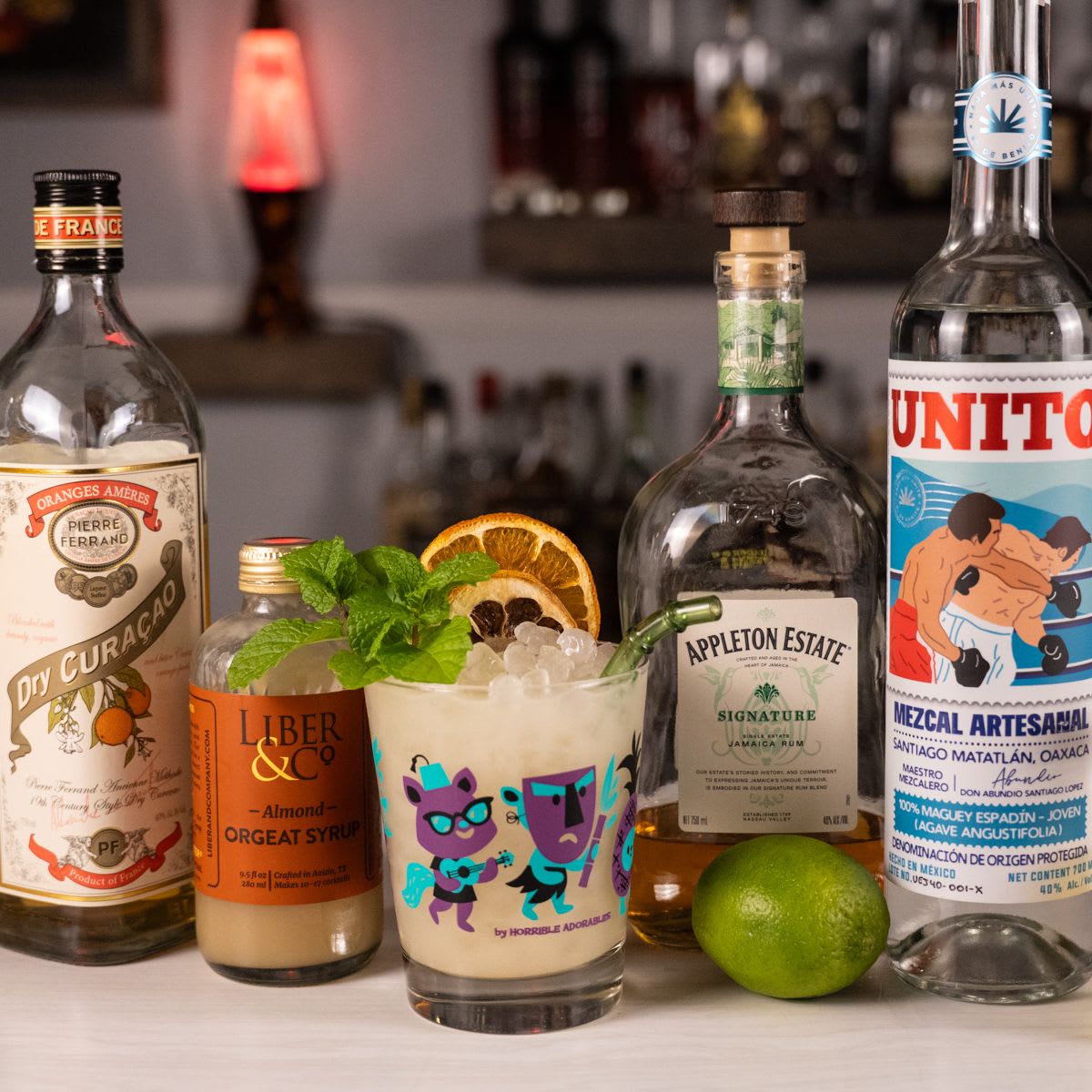
1 oz. / 30 ml Jamaican Rum (I used Appleton 12)
1 oz. / 30 ml Martinique Rum (I used Clement)
.75 oz. / 22 ml Lime Juice
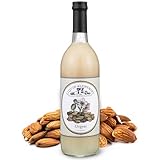
.5 oz. / 15 ml Orgeat Cocktail Syrup (I used Liquid Alchemist)
.5 oz. / 15 ml Orange Liqueur (I used Pierre Ferrand)
Mint sprig and spent lime shell for garnish
How to make a Mai Tai
Shake all ingredients with ice, then open pour the whole shaker over crushed or pebble ice. Garnish with a mint sprig tucked against the spent lime shell. The lime shell represents and island and the mint represents a palm tree.

Looking for an easy, classic tiki cocktail?
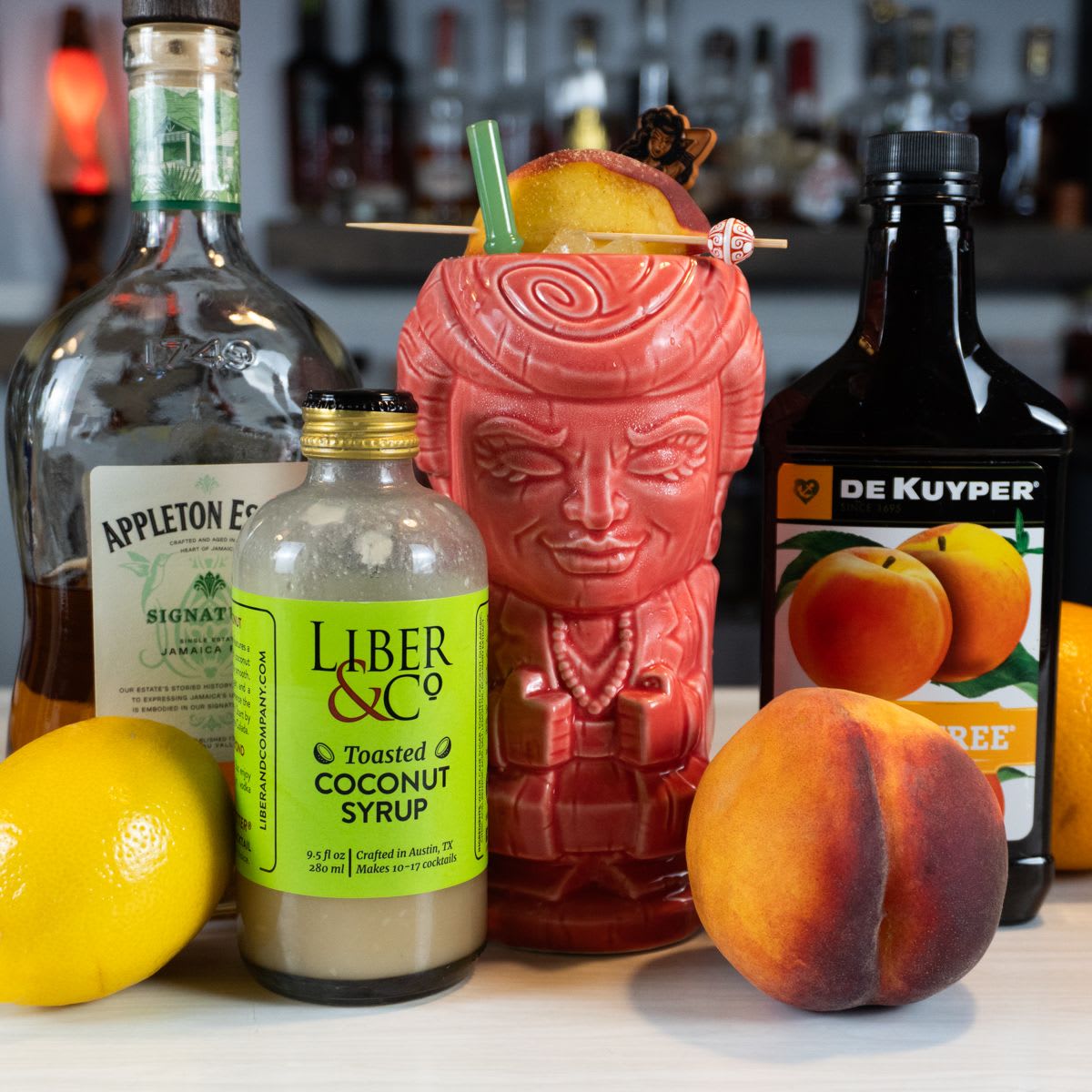
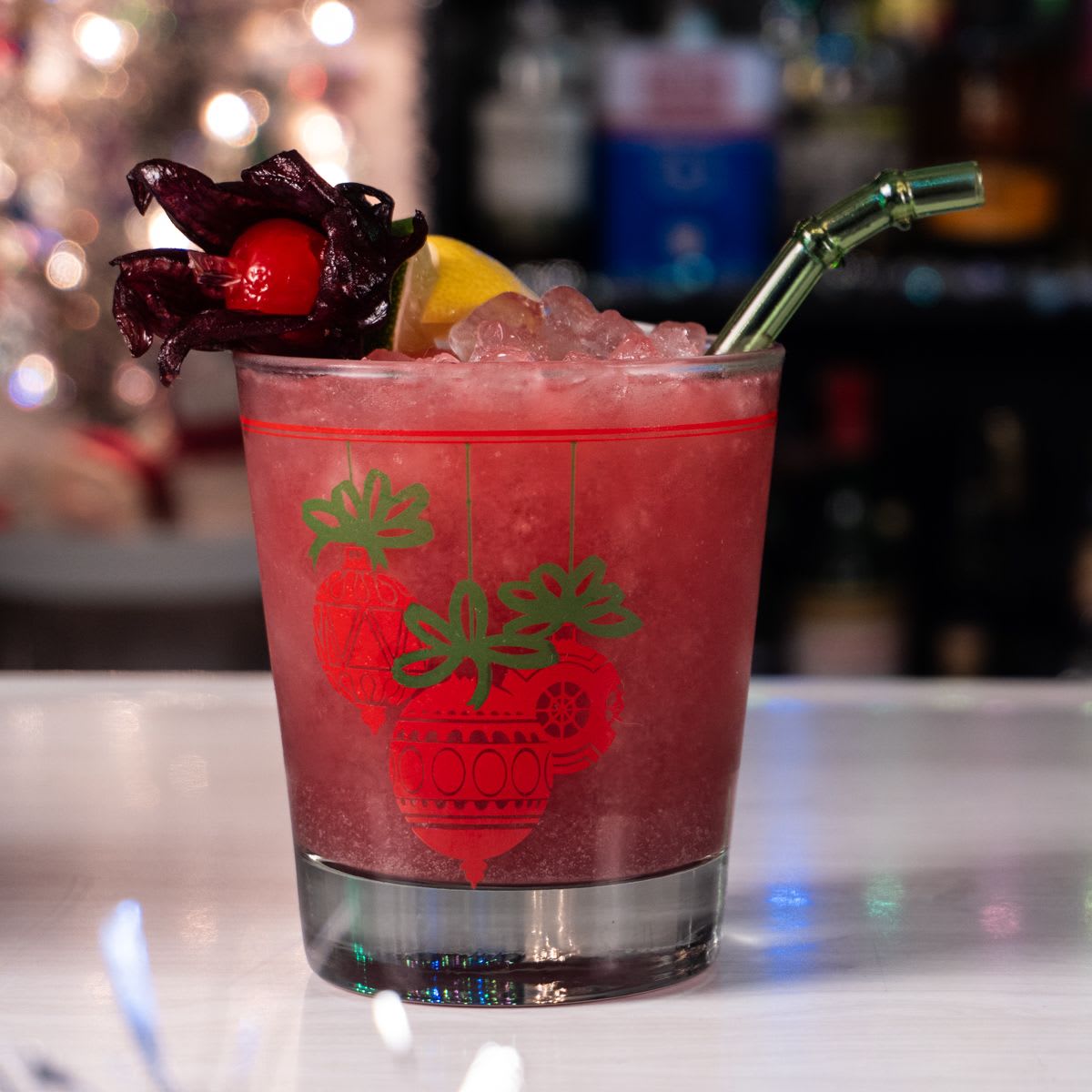
If your "mai tai" contains grenadine, lots of orange juice, or gasp appears pink in color, find or make a drink that looks more like the one pictured here!
It should ideally contain a blend of Jamaican and Martinique rums. You can also use Denizen Merchant's Reserve rum, which is made especially with the mai tai in mind.
Trader Vic mixed the first one in Oakland in 1944 for friends visiting from Tahiti. One of them tasted it and said "Mai tai roa ae," Tahitian for roughly "the best, out of this world," and the name stuck. Donn Beach of Don the Beachcomber later claimed he got there first with a 1933 drink called the Q.B. Cooler. The two settled out of court in 1970, in Trader Vic's favor.
What's in a Mai Tai
Five things, and none of them is pineapple juice.
- Rum, ideally two of them. More on that below.
- Lime juice, fresh. Bottled lime is the fastest way to ruin this drink.
- Orgeat, an almond syrup carrying a little orange flower water. This is what makes a Mai Tai taste like a Mai Tai.
- Orange liqueur, dry rather than sweet. Pierre Ferrand Dry Curacao is the standard.
- A garnish that does work. Mint sprig and the spent lime shell, so you smell mint before you taste anything.
Trader Vic's original 1944 recipe
Bergeron published his spec in 1970:
- 2 oz 17-year J. Wray & Nephew Jamaican rum
- 1/2 oz Holland DeKuyper orange curacao
- 1/2 oz French Garnier orgeat
- 1/4 oz rock candy syrup
- Juice of one fresh lime
Shaken over shaved ice, finished with a branch of fresh mint.
You cannot make that drink today. The 17-year Wray & Nephew has been off the market for decades, and that single fact is why every good modern Mai Tai splits its base across two rums.
Why two rums
Jamaican rum brings the funk: overripe banana, pineapple, a little varnish. Martinique rhum agricole brings grass and earth. Neither one alone gets you to what Bergeron poured, but together they land close. Appleton 12 and Clement is the pairing here. Denizen Merchant's Reserve is a single bottle blended specifically for this drink if you would rather buy one thing.
What people get wrong
Grenadine, pineapple juice, and anything pink. Those come from resort bars stretching one bottle across a lot of drinks. A Mai Tai has no red in it and no pineapple.
Mai Tai variations worth making
Once the classic makes sense, the riffs are where it gets interesting. Each of these keeps the lime, orgeat and split-base structure and swaps one thing out.
- Bitter Mai Tai puts Campari in front and leans harder on funky Jamaican rum. Jeremy Oertel's, created at Dram in Brooklyn.
- Tia Mia splits the base with mezcal for smoke. Ivy Mix's, and the name is "Mai Tai" with the vowels swapped.
- Rio Mai Tai rebuilds it on Brazilian cachaca, with cashew fruit syrup standing in for the orgeat.
- Hibiscus Mai Tai lets tart hibiscus syrup take over part of the sweetening, so it drinks sharper and more floral than the original.
- Pineapple Mai Tai swaps the orange liqueur for Chinola pineapple and turns tropical without turning into fruit punch.
- THC Cranberry Mai Tai drops the alcohol entirely, building on a THC-infused cranberry spirit with the orgeat left exactly where it is.
- Pineapple Rye Tai goes furthest off the map, trading rum for rye whiskey.
Links marked with a cart icon and the product links in the sidebar are affiliate links. We may earn a commission if you buy through one, at no extra cost to you.