
Are THC Drinks Legal in Florida?Legal at retail
The short answer
Yes. Florida sells hemp-derived THC drinks at ordinary retail to adults 21 and up, and it is one of the easiest states in the country to have them shipped to. The legislature keeps trying to tighten the rules and keeps failing, so for now the market runs wide open. The real deadline is federal, and it moved on September 2, 2026: drinks now have until December 11, 2026, while delta-8 and other lab-made cannabinoids still end on November 12.
What Florida law actually says
Florida follows the federal hemp definition: drinks under 0.3% delta-9 THC by weight are hemp, not marijuana, and the state hemp program allows their sale to adults 21 and up. That percentage threshold is why a full-strength 5mg or 10mg seltzer is perfectly legal here; against the weight of a whole can, the THC content is a rounding error.
There is no beverage-specific framework on top of that. No serving caps, no special licensing, no limit on where they can be sold. Liquor stores, smoke shops, and grocery chains all carry them.
Florida keeps trying to regulate, and keeps failing
Lawmakers have run at this repeatedly. A 2024 bill that would have capped drink potency drew a veto from Governor DeSantis, and the sessions since have ended the same way: the 2026 session opened with bills to license THC beverages through the state alcohol regulator and closed with every one of them dead.
For drinkers, the practical meaning is that the status quo holds. For anyone tracking the category, it means Florida still has not decided what it wants these drinks to be before the federal government decides for everyone.
Do brands ship THC drinks to Florida?
Yes, freely. Florida is a standard ship-to state for essentially every national brand, and ordering online is as routine here as ordering wine. Ship-to lists do change without notice, so the checkout page of a brand we have vetted is the final word for your address.
How long does this last? The December 2026 federal ban
The federal hemp redefinition caps hemp products at 0.4mg of total THC per container, and for drinks it now lands December 11, 2026, a month later than the original November 12 date after the president signed the funding bill carrying the delay on September 2, 2026. That ends retail and mail-order hemp THC drinks in Florida along with everywhere else, and Florida has no recreational marijuana system to absorb them; the state remains medical-only, so there is no dispensary fallback here. Delta-8 and other cannabinoids the plant cannot make on its own were left out of the delay and still lose hemp status on November 12, 2026. If these drinks are part of your routine, we cover what the deadline means in our federal THC drink ban explainer.
Florida THC drink questions, answered
Are THC drinks legal in Florida?
Yes. Hemp-derived THC drinks under 0.3% delta-9 THC by weight are legal at ordinary retail in Florida for adults 21 and up, with no beverage-specific state restrictions on top of the hemp program.
Is Willie’s Remedy legal in Florida?
Yes. Willie’s Remedy drinks are hemp-derived delta-9 products under the 0.3% threshold, which makes them legal to buy and ship in Florida, the same as other compliant hemp THC drinks.
Do brands ship THC drinks to Florida?
Yes. Florida is one of the easiest states to order into, and most national brands ship here. Each brand’s checkout page is the final word for your address.
Will THC drinks stay legal in Florida?
The state keeps failing to pass new restrictions, so state law is stable. The real deadline is federal, and it is now December 11, 2026 for drinks, moved back from November 12 by the spending bill signed on September 2. It caps hemp products at 0.4mg of total THC per container. Delta-8 and similar lab-made cannabinoids did not get the extra month and still end on November 12.
Rules elsewhere are different, sometimes wildly. See how every state handles THC drinks on our 50-state legality page.
This page is our best good-faith reading of a fast-moving area of law, written for drinkers, not lawyers. It is not legal advice, and a state can change its rules faster than we can update a website. When it matters, check your state's own guidance or talk to an attorney. This site contains product affiliate links; we may receive a commission if you make a purchase after clicking one.
Links marked with a cart icon and the product links in the sidebar are affiliate links. We may earn a commission if you buy through one, at no extra cost to you.
Mission Farms
Organic CBD and THC from a small farm in Bend, Oregon, including the Elevate THC drink mixer. 40% off with code SHARETHEGOOD.

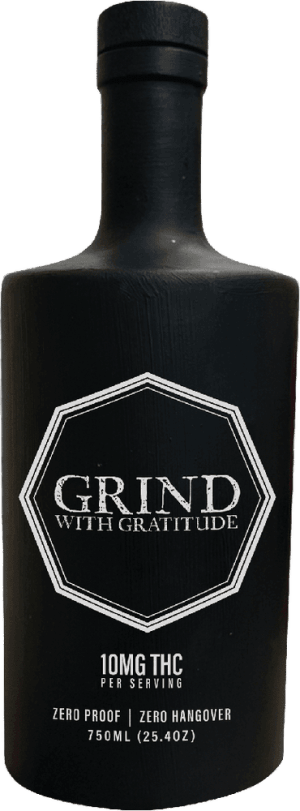
Grind With Gratitude
THC-infused citrus spirit: zero proof, zero hangover. Use code 50OFF to get 50% off sitewide.
Crescent Canna
The Ellora THC spirit and Crescent 9 THC seltzers.

Artet
The original THC aperitif, made for mixing: gin-style botanicals and fresh fruit juices.
